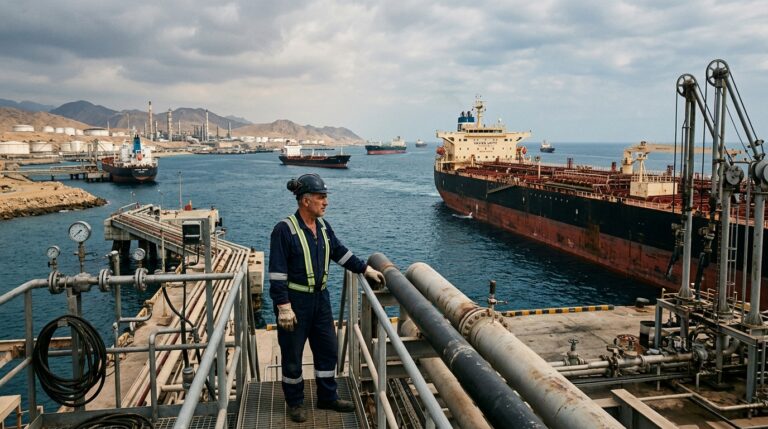
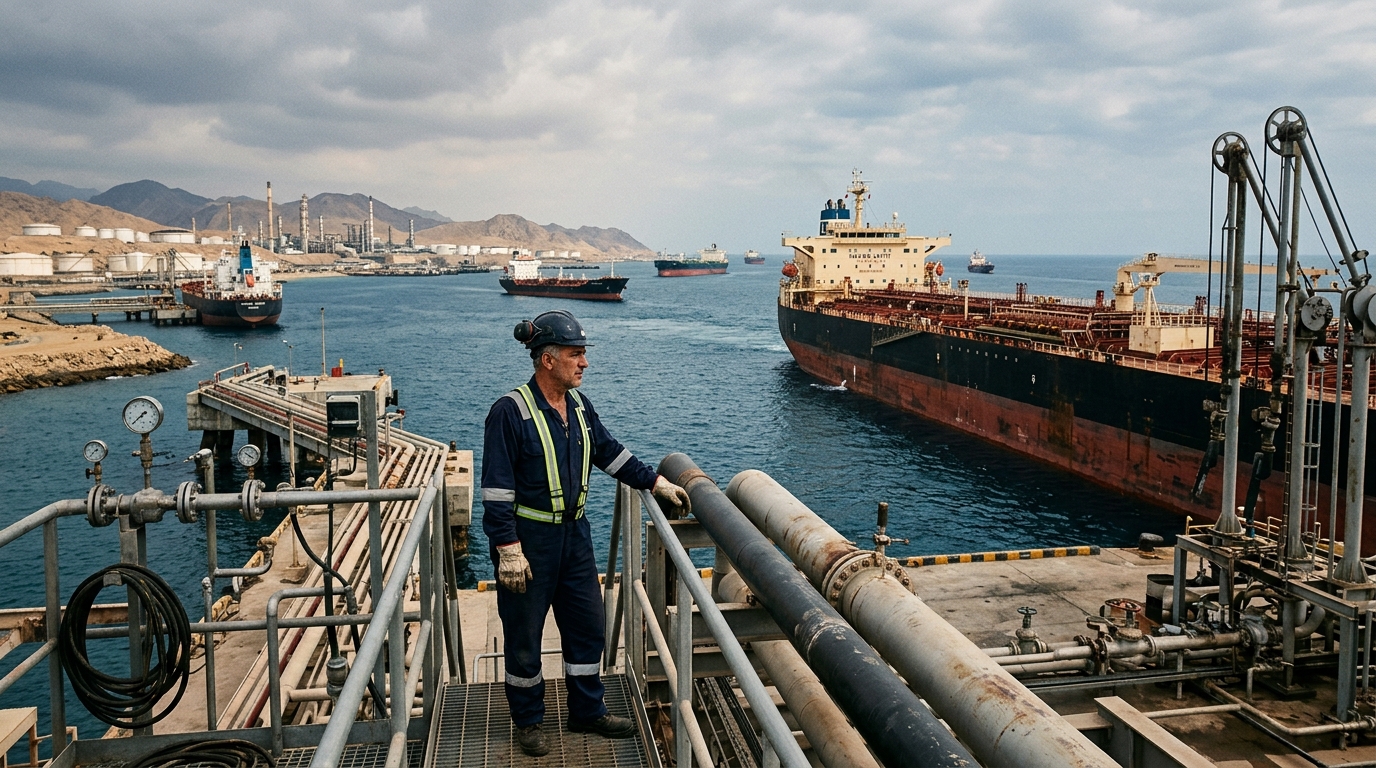
Two things are true at once in the oil market this weekend, and they pull in opposite directions. WTI closed Friday at $92.41 per barrel and Brent settled at $104.32, both down more than 2% on the session, as Iran put a written plan on the table. Trump, per the Wall Street Journal, rejected it, telling aides he expects the U.S. bombing campaign to resume after the November midterm elections. The question investors are pricing today is not whether Hormuz reopens. It is whether the $104.32 settle already reflects a market that has decided it probably will.
The Bull Case: Supply Is Recovering Faster Than the Price Admits
Iranian Foreign Minister Abbas Araghchi proposed a seven-day plan to U.S. negotiators this week that would reopen the Strait of Hormuz, ease sanctions, and begin talks on Iran’s nuclear program. That is not a vague signal. It is a sequenced offer with a clock attached.
Meanwhile the physical supply picture is already improving without a deal. Saudi Arabia is showing signs of export recovery after August’s disruption, even as repairs continue on the East-West pipeline after drone damage. That is a meaningful change from August, when Saudi crude exports slumped to the lowest level in at least nine years at roughly 3 million barrels per day.
Kpler and other trackers have also shown that flows through the Strait of Hormuz have not been zero, which is consistent with a market treating the strait as constrained rather than sealed. That is not a closed strait. It is a partially functioning one, and markets are adjusting accordingly. For XOM, VLO, MPC, and PSX, a sustained move toward $90-$95 Brent compresses the wartime crack spreads that have supercharged refiner margins all year. Airlines, DAL and UAL among them, would see meaningful jet-fuel relief.
The Bear Case: An Offer Is Not a Signature, and Washington Knows It
Every prior diplomatic episode since February has followed the same arc: a hopeful headline, a collapse, and crude moving back toward its previous high. A spring ceasefire effort, the June 17 interim memorandum of understanding, and subsequent rounds of talks each raised hopes of a reopening that later faded, followed by renewed escalation over the summer that brought vessel strikes and a reimposed U.S. blockade on Iranian shipping.
Iran’s terms this time are demanding. The plan would require the U.S. to lift its naval blockade on Iranian ports, release frozen Iranian funds, and waive oil sanctions. Iranian officials have also publicly signaled that nuclear concessions are not on the table as a price for reopening Hormuz. That is not a posture designed to make Washington say yes.
Analyst Burcu Ozcelik told Al Jazeera that the major blockage is that each side is making different assumptions about leverage, and that the Trump administration is unlikely to revive the failed memorandum because it assesses its naval blockade and tighter sanctions as working. Senior White House officials have similarly indicated the administration has no intention of dismantling its maritime blockade, calculating that sustained economic pressure will force Tehran into an advantageous agreement.
Where the Evidence Leads
The $104.32 Brent settle is doing real work here. Friday’s move reflected a classic geopolitical risk-premium compression. But the compression stopped there, not at $90, not at $85.
The market is pricing a deal as possible, not probable. The Saudi export recovery and continued Hormuz transit give the bull case real physical backing. The bear case rests on something equally concrete: Trump’s rejection of the proposal, and an Iranian counterparty that publicly ruled out nuclear concessions in the same breath it offered to reopen the strait.
Final Verdict
The bear case is better supported at this moment. Iran’s seven-day offer is the most specific diplomatic proposal since the June memorandum, but that memorandum collapsed within weeks of being signed. Washington has now walked away from this one too, and the administration’s stated calculus, that the blockade is working, gives it little reason to blink before November. Watch for any White House signal that talks are resuming through Qatari mediators, or for evidence in ship-tracking data that Hormuz flows are sustainably returning toward pre-war levels, either would shift the balance. Until then, Brent at $104 looks less like a market discounting peace and more like one discounting stalemate.