September 23, 2026
Bonus Content: Chinese Cars Hit 12% of Europe. Tariffs Didn’t Stop Them.
Below is an important message from one of our highly valued sponsors. Please read it carefully as they have some special information to share with you.
Dear Reader,
A tiny $2 stock…
Quietly controls the largest gold deposit in the entire world…
Worth almost $1 TRILLION in total…
And I believe on September 30, they’re preparing to announce this historic discovery to the world.
Once that happens, the sky is the limit for early investors who get in now.
Click here to see everything you need to know.
Regards,
Jim Rickards
Chinese Cars Hit 12% of Europe. Tariffs Didn’t Stop Them.
Brussels spent two years designing tariffs to slow Chinese automakers. The August sales data published this morning by Dataforce suggest those tariffs mostly redirected the problem rather than solved it.
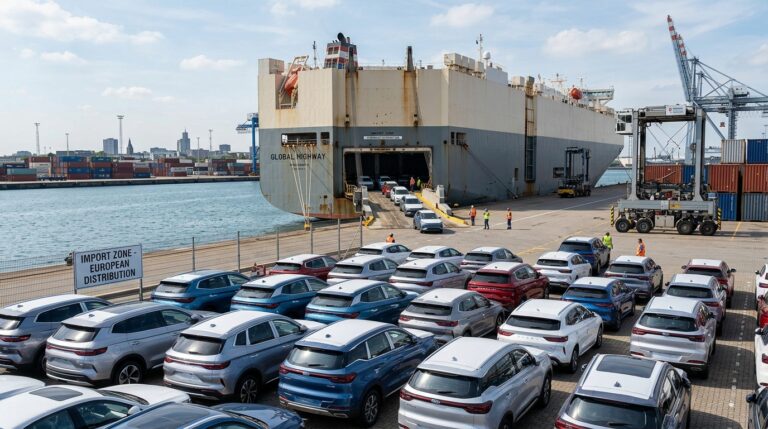
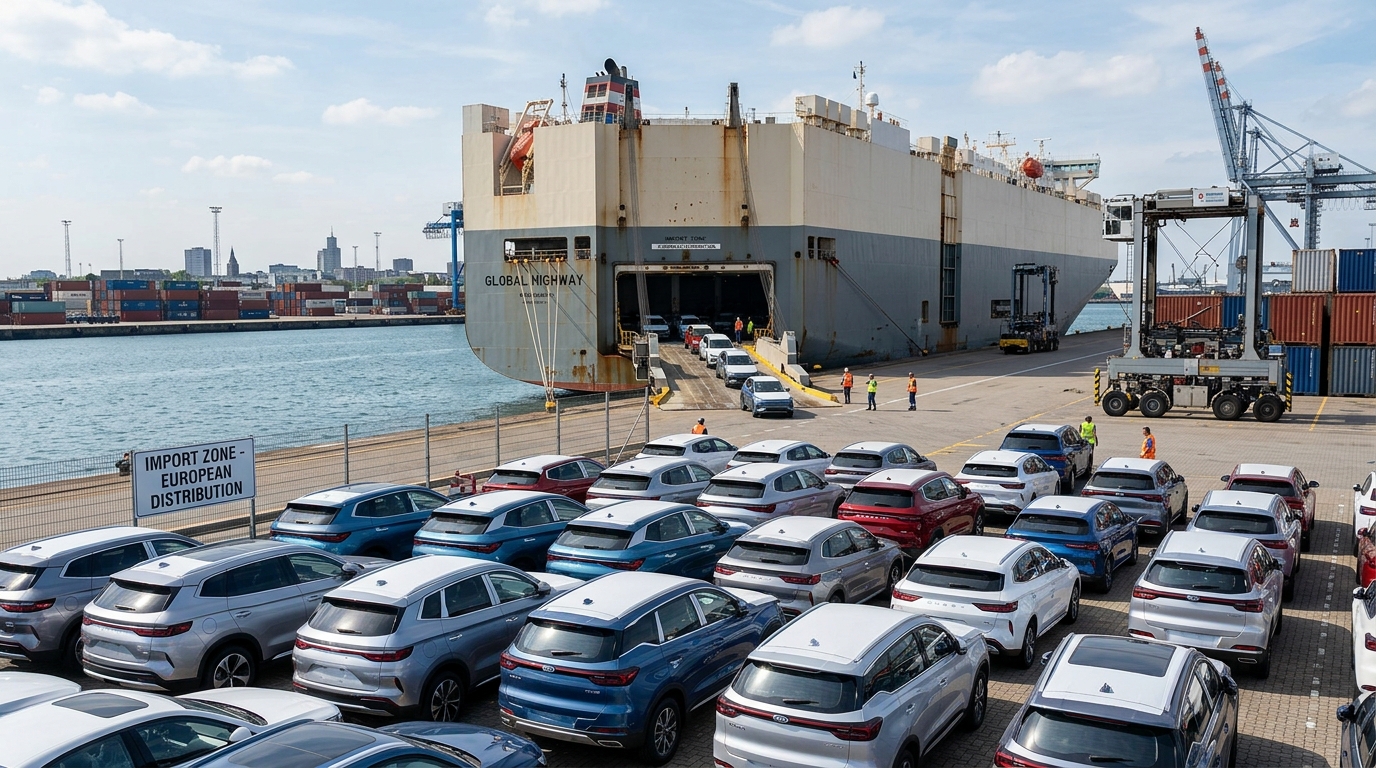
Brands including BYD made up nearly 12% of total new-car sales in Europe in August, accounting for one in four hybrid sales and one in three plug-in hybrid sales, as they cashed in on models that are not subject to steep EU tariffs. That 12% is a fresh record. The mechanism behind it is blunt: Chinese manufacturers responded to the EU’s battery-electric tariffs by shifting their export mix toward plug-in hybrids, which faced only the standard 10% import duty.
The Bull Case: Chinese Brands Are Winning on Merit
The optimistic reading for investors in BYD and peers is that this growth is structural, not a regulatory accident. China’s carmakers are capitalizing on lingering consumer concern around charging networks and driving range, with hybrids acting as a stepping-stone to going fully electric. They have product consumers actually want at prices European rivals cannot match.
In the first half of 2026, Chinese car brands collectively registered approximately 663,000 vehicles across Europe, a 107% year-on-year increase, capturing roughly 9.2% of the European new-car market. BYD alone recorded approximately 172,964 registrations, up around 145%. That is not a tariff story. That is a demand story.
The factory hedge matters too. BYD says it will start assembling cars at its plant in Szeged, Hungary in the fourth quarter of 2026, and those locally assembled cars would avoid the EU’s China-specific import duties. Chery plans to produce Omoda and Jaecoo vehicles at the former Nissan factory in Barcelona in partnership with Spanish automaker Ebro. By 2027 or 2028, tariff exposure on new Chinese models could be minimal regardless of what Brussels does next.
The Bear Case: The Loophole Is Closing
The bear argument is that the hybrid strategy is a tactic with a short shelf life. Brussels noticed. European officials have been weighing an anti-subsidy case that could extend duties to plug-in hybrids imported from China, and Germany’s Handelsblatt has reported that similar measures could come quickly.
Critically, Germany, which fought the original EV tariffs, is not signaling the same level of opposition on hybrids. That removes the main political brake that delayed the first round. And the scale of the hybrid surge helps explain why: monthly imports of China-made hybrids into the EU rose from about 3,800 vehicles in October 2024 to around 50,000 in July 2026. When a loophole produces that trajectory, policymakers close it.
EV growth across Europe is already taking a toll on some European manufacturers because electrified models tend to carry lower margins. Adding Chinese competition in hybrids, the one category where Volkswagen, Stellantis and Renault still hold pricing power, is the scenario European OEMs most fear.
Where the Evidence Leads
The European data arrive at an awkward moment for Washington. Leaders of major US auto trade groups urged President Trump to maintain policies that “keep the door firmly shut” for Chinese automakers, with the letter timed ahead of Xi Jinping’s state visit to Washington this week. Their argument is reasonable: keep Chinese cars out entirely rather than rely on tariffs that competitors route around.
The European experience supports that view more than it refutes it. BYD has grown not by absorbing the EU’s tariffs on Chinese EVs, but by pivoting to hybrids that effectively sidestep them. The tariff worked only against the specific product it named. The company adapted in one product cycle.
What Could Change the Debate
Watch three things. First, whether any new EU action on plug-in hybrids arrives before BYD’s Hungary plant begins production in the fourth quarter of 2026. If local manufacturing precedes the tariff, the policy achieves almost nothing. Second, the pace of Chinese local production across Europe: Chinese manufacturers are already shifting production into Europe, which permanently defangs import duties. Third, the outcome of Xi’s Washington talks. If the US and China widen their trade negotiations, autos could become a bargaining chip in that negotiation rather than a standalone policy.
Final Verdict
The bull case for Chinese automakers is currently stronger, but not because tariffs are toothless in theory. They are toothless in practice when the target has the manufacturing flexibility to shift product mix and build local plants faster than regulators can respond. Washington should study the Brussels experience carefully before assuming a different result. A tariff aimed at yesterday’s product line is protection in name only.