October 9, 2026
Son’s latest Gulf pitch sounds like PE with a robotics wrapper. Can it beat the Vision Fund’s record?
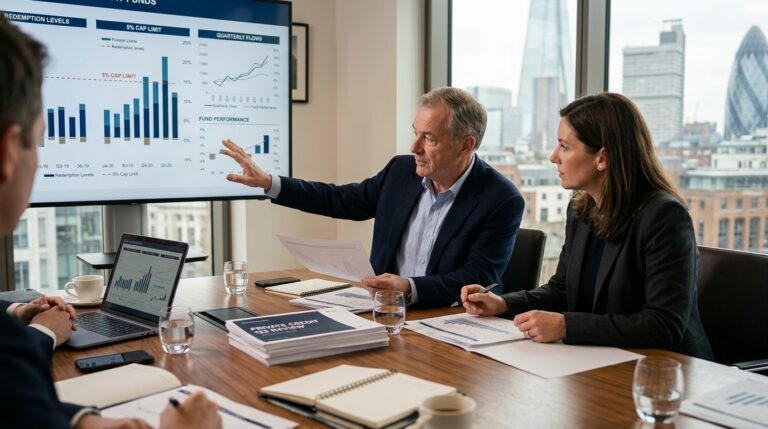
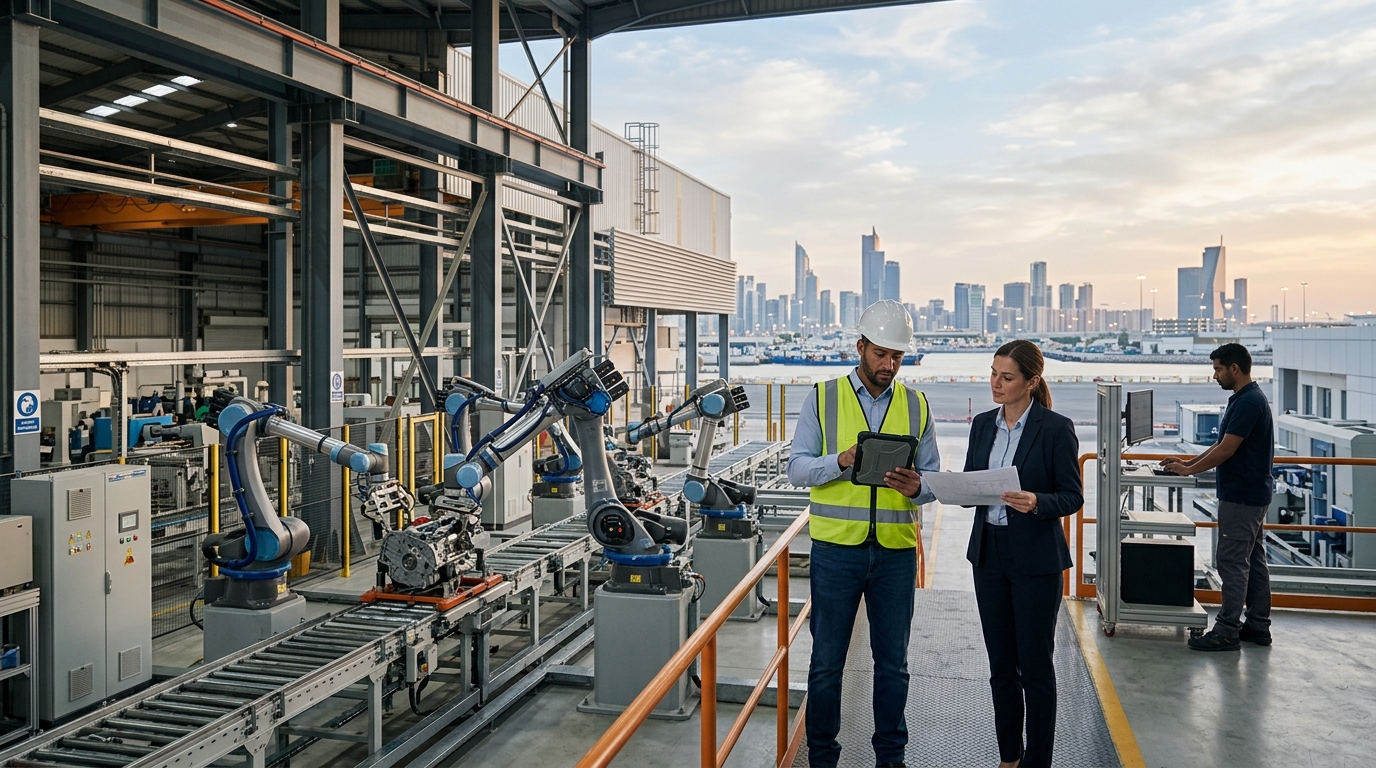
Masayoshi Son is back in the Gulf, and the number is familiar. SoftBank’s founder is sounding out Gulf investors for up to $100 billion to seed a fund that would buy companies outright and retool them with AI. Son has held discussions with senior figures including in the UAE, with the money earmarked for a new fund that would “acquire companies and improve their operations using AI and other advanced technologies,” and SoftBank’s robotics and physical AI business, Roze, expected to play a key role.
Your Download Link Will Expire
If you still haven’t downloaded my free “Safe Trade Options Formula” guide…
…please take a few seconds and download it right now before your new temporary download link expires.
I eventually plan to charge money for this training, so do yourself a favor and download it now…
That way, no matter what it costs in the future, you’ll have a free copy on your computer.
Make sense?
The fundraising would mark Son’s largest AI-focused capital raise to date and his second major solicitation of Gulf capital since the Vision Fund launched in 2017. That context matters. The Vision Fund’s record outside of one extraordinary bet is not the argument Son wants investors dwelling on as he pitches this new vehicle.
The Bull Case: AI-Augmented Operations Is a Real Thesis
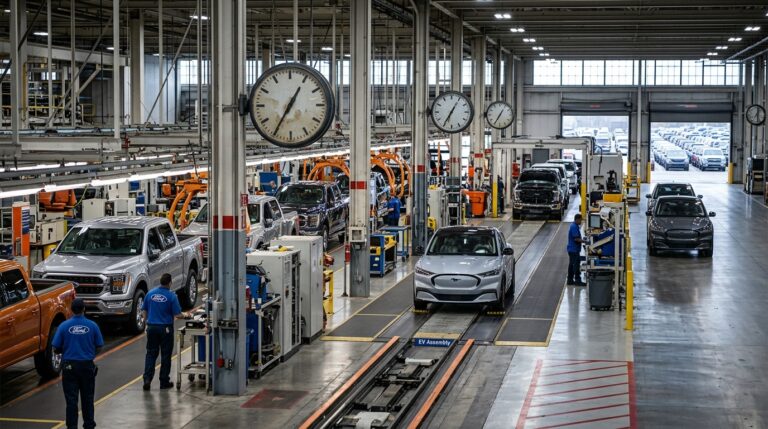
The core idea, that you can buy an underperforming business and improve its unit economics with AI and automation, is not merely promotional. The evidence from industrial deployments in 2026 is genuine. Amazon says its “Sequoia” system can identify and store incoming inventory up to 75% faster than previous methods, and it has said its “DeepFleet” model can reduce robot travel time by about 10% across fulfilment centres. ABB says manufacturers using its AI-integrated robotics can cut commissioning time by up to 80% and reduce development and production costs by up to 40% by eliminating many physical prototypes.
SoftBank is not starting from zero on the hardware side. In October 2025, SoftBank agreed to acquire ABB Robotics for $5.375 billion, with Son describing physical AI as SoftBank’s next frontier. Roze represents SoftBank’s attempt to build an operationally useful physical-AI platform, with outside reporting describing a particular focus on using robotics to speed data center construction. That stack, if assembled, gives a buyout vehicle genuine operational tools rather than a consulting pitch deck.
Gulf sovereign wealth funds have appetite. In 2017, both Abu Dhabi’s Mubadala and Saudi Arabia’s Public Investment Fund participated in SoftBank’s first Vision Fund.
5 Nasdaq Stocks Under $5 That Aren’t What You Think
Most stocks under $5 come with a reputation. These don’t.
Each company on this list is tied to major trends like AI, cybersecurity, and next-gen infrastructure.
They may not have the spotlight yet, but they are building real businesses in real markets. That combination is not always easy to find at this price level.
The Bear Case: Vision Fund in a Buyout Suit
The skeptical read is harder to dismiss. OpenAI does not have a confirmed IPO timetable, and recent reporting has also highlighted debate around how to compare AI companies’ annualized revenue figures. A fundraising effort of this scale, arriving precisely when the balance sheet is strained, raises an uncomfortable question: is this strategy, or is it refinancing dressed as vision?
The Vision Fund’s actual track record outside OpenAI is the other problem. The draft claim that roughly 98% of the fund’s return depends on a single company could not be verified, and it is too precise to leave standing. What is verifiable is that SoftBank has leaned heavily into OpenAI: SoftBank has said its cumulative investment in OpenAI totals $64.6 billion, representing an ownership interest of approximately 13%. Reuters also reported in late September 2026 that SoftBank issued a total of $11.1 billion in dollar- and euro-denominated bonds, with the proceeds tied to funding the final $10 billion tranche of its $30 billion commitment in OpenAI.
The operational improvement thesis also carries an execution gap that Son’s pitch glosses over. Measuring AI’s practical benefits consistently is challenging because success depends on both the specific task and the user’s skill at leveraging AI for it, meaning lab results often fail to predict real-world value. Figure AI says its Figure 02 robot loaded more than 90,000 parts and contributed to the production of more than 30,000 BMW X3 vehicles over an 11-month deployment. But that same kind of pilot can still leave hard questions unanswered for buyers, including how close performance is to a human baseline and what intervention rates look like at scale.
There is no guarantee the discussions will lead to a deal. The $100 billion is an upper ceiling, not a signed commitment.
5 Little-Known Stocks Behind Today’s Defense Tech Shift
Behind the headlines, a major transformation is underway.
Modern warfare is being driven by AI, autonomous systems, and next generation technology. A handful of lesser known companies are helping power this shift.
This report uncovers five stocks quietly playing a critical role in the future of defense.
Where the Evidence Leads
The bull case rests on a legitimate observation: AI and robotics can improve operations in specific, well-defined industrial contexts, and SoftBank now owns hardware assets that make the pitch more than theoretical. The bear case rests on a structural concern: Son’s track record of deploying large pools of capital into operating businesses, WeWork being the clearest example, is poor, and the current fundraising lands at a moment of significant balance sheet pressure rather than strength.
The new vehicle is architecturally different from the Vision Fund. Acquiring control of businesses, rather than taking minority stakes in startups, at least changes the governance dynamic. But the core question, whether AI can reliably transform ordinary acquired companies into better ones fast enough to justify buyout-level capital costs, remains unproven at the scale Son is describing.
Investors watching 9984.T and SFTBY should track two things: whether Gulf commitments materialize with disclosed terms, and whether Roze produces verifiable operational data from real deployments before the fund begins writing checks. Vision-level promises funded by leverage, without that evidence, are the pattern Son needs to break.