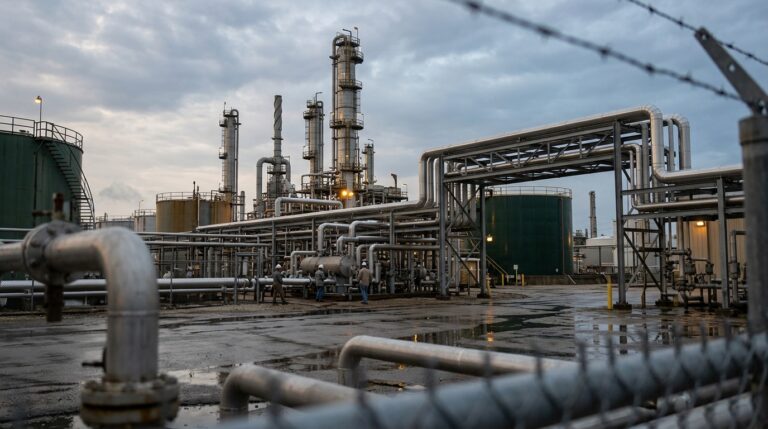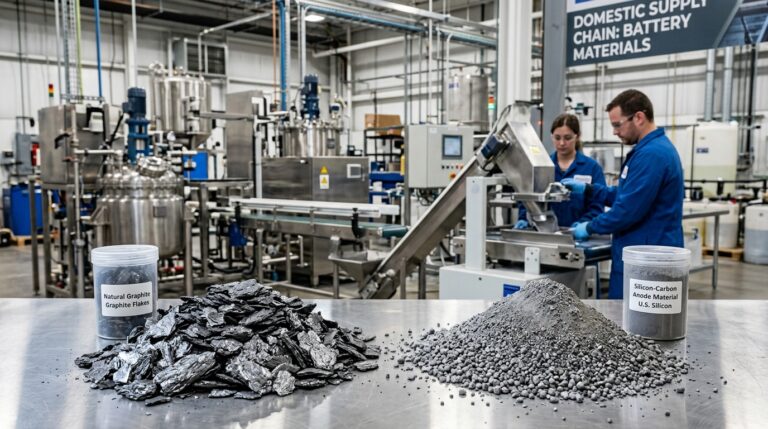
China’s tightening of graphite export controls remains in force and continues to work through a licensing regime that began on December 1, 2023. There is no verified November 27, 2026 expiration date for a suspension of graphite controls to the United States. The deadline is therefore not a calendar event. It is a supply-chain condition: China remains the dominant source of natural graphite and the dominant processor for battery-grade spherical graphite. That concentration is not a future risk. It is the present condition.
The market has spent most of 2026 acting as if the system will keep functioning normally: permits get issued, material keeps moving, and buyers keep optimizing for price. But the structural vulnerability never went away. Licensing friction can become policy friction quickly, and it can surface with little warning.
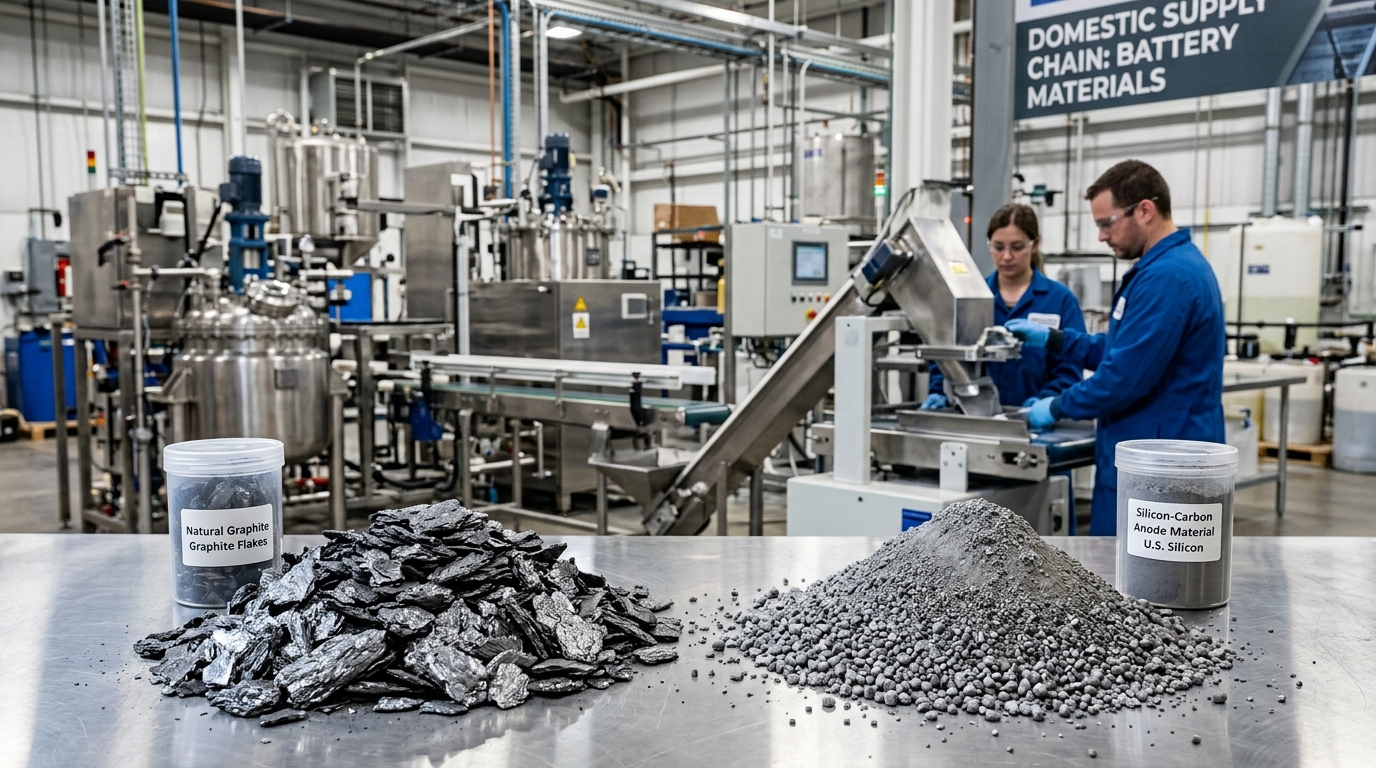
Now the contingency plans matter again, and silicon-carbon is the only U.S.-anchored anode pathway close enough to commercialization to matter at meaningful scale. Sila Nanotechnologies began operations at its automotive-scale silicon anode plant in Moses Lake, Washington in September 2025, and the company says the site is designed with expansion potential up to roughly 250 GWh over time. In August 2026, Sila received a conditional loan commitment of up to $1.4 billion from the U.S. Department of Defense’s Office of Strategic Capital, aimed at expanding domestic battery materials production.
Group14 Technologies is moving simultaneously. In March 2026, Group14 announced that its Sangju, South Korea facility began EV-scale production of its SCC55 silicon-carbon material, designed for up to 2,000 metric tons annually, which the company ties to about 10 GWh of battery capacity. Its Moses Lake, Washington facility has been described by the company as an initial 20 GWh site. Company materials also describe more than 30 GWh of combined capacity potential across Washington and South Korea, positioning Group14 as a leading EV-scale producer of advanced silicon battery materials.
The economic argument for silicon-carbon goes beyond supply security. But the draft overstates it: the specific claim that one ton of silicon-carbon anode material displaces five tons of graphite is not supported by a verifiable, broadly applicable industry benchmark and depends heavily on silicon loading and cell design. What is supported is the direction of travel: silicon-containing anodes can raise energy density versus conventional graphite-only anodes, and they can improve vehicle range for a given pack size, though the realized gain is chemistry- and design-dependent and not a guaranteed 20 to 30 percent at the vehicle level. The difference now is that two facilities are actually operating at EV-scale output.
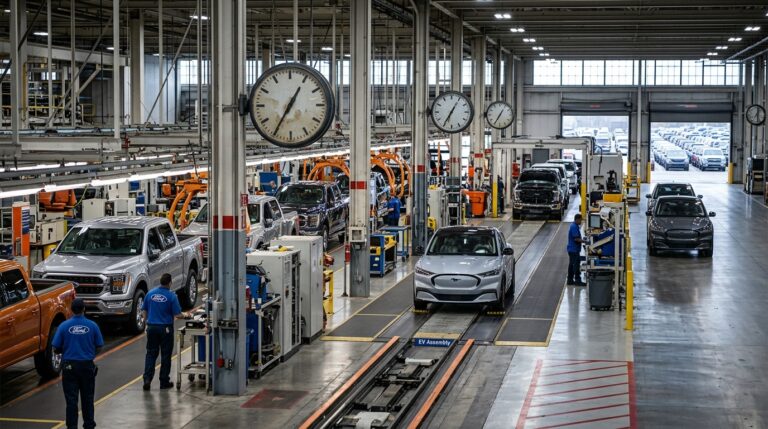
The hidden risk in this transition is the qualification timeline. Silicon-heavy anodes can carry cost and process complexity penalties versus conventional graphite systems, especially when the silicon content rises and tighter process control is required. And an automaker cannot simply swap suppliers mid-program. Customer qualification cycles can run roughly 12 to 18 months, which means buyers who have not already started testing domestic silicon-carbon material are unlikely to have an approved alternative quickly if export licensing slows or supply is disrupted.
That qualification gap is where the real investment implication sits. Sila and Group14 are not necessarily the primary beneficiaries of a sudden policy shock; their capacity is finite and qualification slots become scarce. The companies that stand to gain disproportionately are those positioned to absorb the qualification backlog: testing equipment providers, cell-level validation labs, and specialty chemical suppliers who enable the electrolyte and binder adjustments that silicon-rich anodes often require. None of those names appear in the headlines. That is precisely the point.