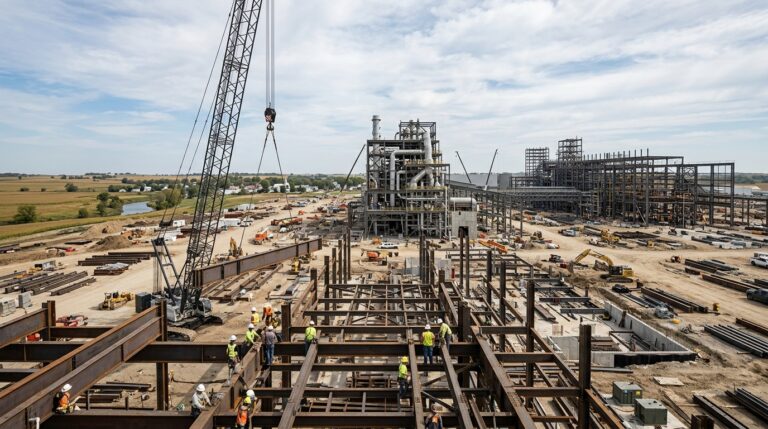
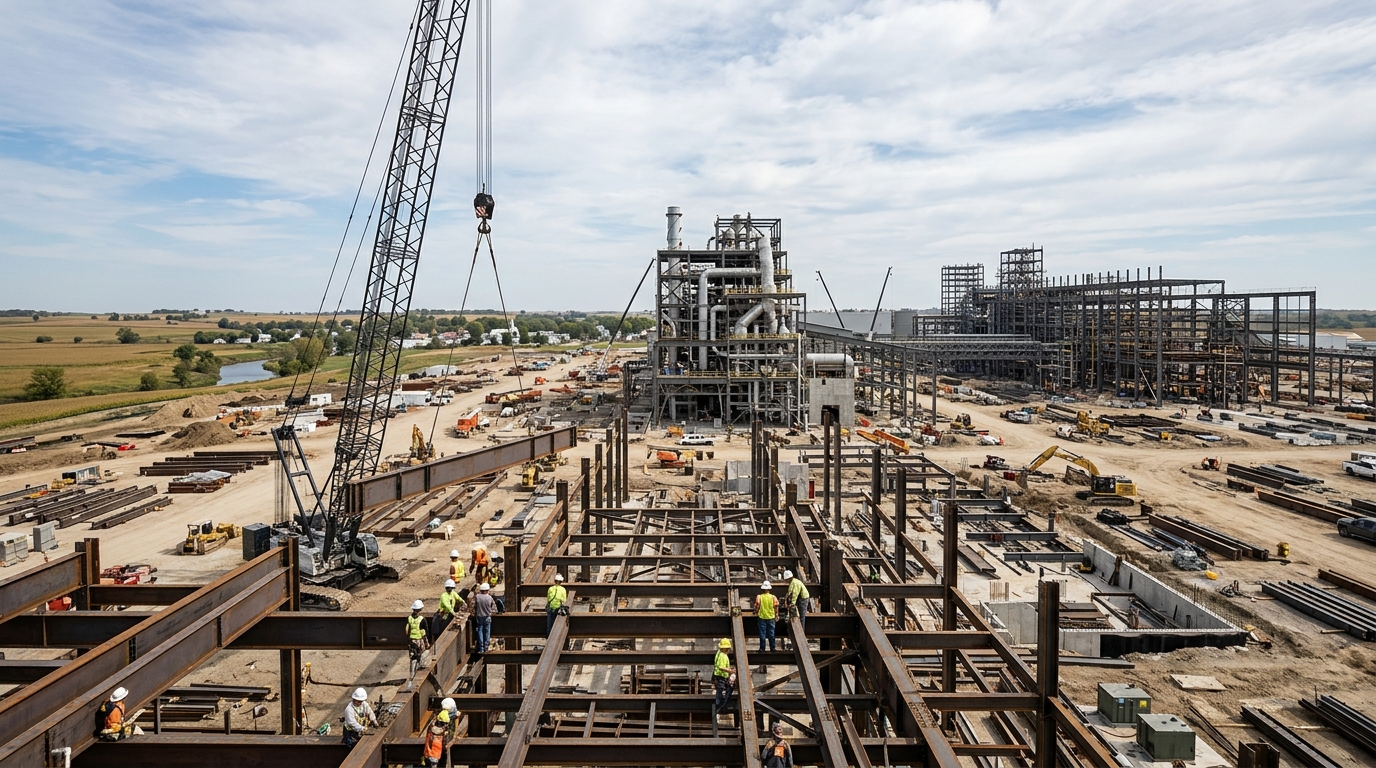
The Oval Office was crowded Monday. Commerce Secretary Howard Lutnick, Export-Import Bank President and Chairman John Jovanovic, Iowa’s congressional delegation, and the CEO and chairman of Mesabi Metallics all gathered as President Trump announced what the White House is calling one of the largest steel plants in American history: a $15 billion facility in eastern Iowa, targeting first production in 2030 and up to 1,750 permanent jobs. The political subtext was unmistakable, with the November 3 midterms closing fast and Iowa squarely in the fight for both chambers.
What the ceremony cannot do is tell you what to do with NUE, STLD, CLF, or X today.
Four Years Is a Long Time in Industrial Project History
Mesabi Metallics plans to invest about $15 billion in a steel plant in Iowa, with production targeted to begin in 2030 and an estimated 1,750 full-time jobs expected. That gap between announcement and first steel deserves more scrutiny than most market reactions will give it.
The company’s own track record is instructive. The steel plant will draw iron ore from Mesabi’s Minnesota mine, a roughly $2.5 billion project that is now in the late stages of construction after nearly two decades in development, a project beset by controversies and setbacks, including Essar Steel Minnesota filing for bankruptcy in 2016. The Iowa plant’s first phase is estimated to produce some 7.5 million tons per year, eventually ramping to 10 million tons annually. That is five times the complexity and cost of the Minnesota mine. Nearly two decades of development for the smaller project should inform every modeling assumption about the larger one.
The Foxconn precedent is worth keeping in a drawer. Trump attended that Wisconsin groundbreaking in his first term and called it the Eighth Wonder of the World. By April 2021, Foxconn had renegotiated with the state, cutting investment from $10 billion to $672 million and reducing promised jobs from 13,000 to 1,454. Reshoring ambition and reshoring delivery occupy different time zones.
Where the Actual Investment Opportunity Lives Right Now
The stocks investors can trade today run on tariff policy, not Iowa groundbreakings. After U.S.-Canada trade talks broke down in late August, the Trump administration imposed steep new tariffs on certain Canadian imports and both sides have escalated retaliatory measures. By restricting access to foreign-made steel, tariff measures can shield domestic producers from overseas competition and reinforce their position in the domestic market.
Nucor and Steel Dynamics’ year-to-date gains through late September dwarf Cleveland-Cliffs’ losses, drawing valuation-hunters seeking a cheaper entry into the same steel markets. Steel Dynamics is the cleaner operating story: the company provided Q3 2026 earnings guidance of $5.34 to $5.38 per diluted share, up from $3.69 in Q2, with third-quarter profitability from steel operations expected to be significantly higher than sequential second-quarter results, driven by metal margin expansion and record shipments.
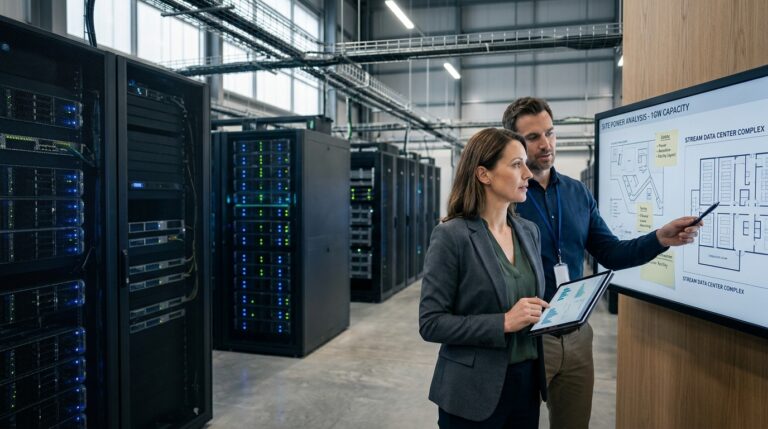
U.S. hot-rolled coil trades near $1,200 per ton, up from about $800 a year ago, while fall mill outages are set to remove more than 1 million tons of supply between September and December, with lead times running 8 to 12 weeks. That is the real supply-demand signal. Both Nucor and Steel Dynamics also carry exposure to data-center construction, a structural demand driver that has nothing to do with any Iowa announcement.
Cleveland-Cliffs presents a separate calculation. CLF plunged 9% on Monday while Nucor slipped just 2%, with tariff uncertainty around its Canadian Stelco unit driving the outsized gap. The integrated mill model and cross-border exposure create a risk profile that the mini-mills do not share.
Separating the Thesis from the Ticker
The Mesabi Metallics project, if it reaches full scale, represents genuinely material new American capacity. Ten million tons annually would reshape the domestic supply picture in ways that reverberate through the entire industry. But that outcome belongs to 2030 at the earliest, from a company whose flagship predecessor project took closer to two decades and passed through bankruptcy along the way.
The steel stocks in your account are priced on tariff structures, order backlogs, and scrap costs, all of which can shift faster than any mill can prepare its first heat. Monday’s ceremony is a reason to maintain conviction in the sector’s structural tailwinds. It is not a catalyst that changes the investment calculus for this week or this quarter.