September 22, 2026
Bonus Content: Defence Stocks Are Up Since 2022. Can Peace Unwind Them?
Gold and copper prices are rising fast. That’s a fact that’s impossible to ignore.
What many people are missing is that the opportunity to gain early exposure to companies exploring for these metals in Tier-1 jurisdictions may not last forever.
That’s where one little-known Canadian explorer comes into play. It has a small market cap and low share price alongside a strong treasury and major-company-funded drilling underway now in two premier Australian mineral belts.
Successful drilling could bring greater market attention to the copper-gold potential the company is targeting across its portfolio.
Access our brand-new FREE report to get the full story.
Inside, you’ll learn the company’s name and ticker symbol, explore its Australian project portfolio, and get the latest on drilling now underway.
Access the report by clicking here and learn just why this overlooked copper-gold explorer is well-positioned for significant upside.
Defence Stocks Are Up Since 2022. Can Peace Unwind Them?
The timing is almost theatrical. Hours after Ukraine launched its largest drone attack on Moscow to date, damaging the Moscow Oil Refinery, Volodymyr Zelensky landed in New York to meet Donald Trump. The central question for defence investors is not whether peace is imminent. It is whether a credible de-escalation framework, even a partial one, is enough to collapse the premium embedded in Rheinmetall, RTX, and Lockheed Martin.
The Investment Question
European and transatlantic defence names have been among the best-performing equities of the past four years. The bull case rests on a structural rearmament cycle measured in decades. The bear case is simpler: these stocks, some of them trading at high multiples, were priced for a war that does not end. A credible exit changes the math.
The Bull Case
The spending commitments that drove this sector are not contingent on the Ukraine war lasting forever. At the 2025 NATO summit in The Hague, the alliance committed to investing 5% of GDP annually on defence by 2035, comprising 3.5% on core defence requirements plus up to 1.5% on defence- and security-related investment. European and Canadian allies collectively invested about $574 billion in defence in 2025, a real-terms increase of roughly 20% versus the prior year, according to NATO’s annual reporting.
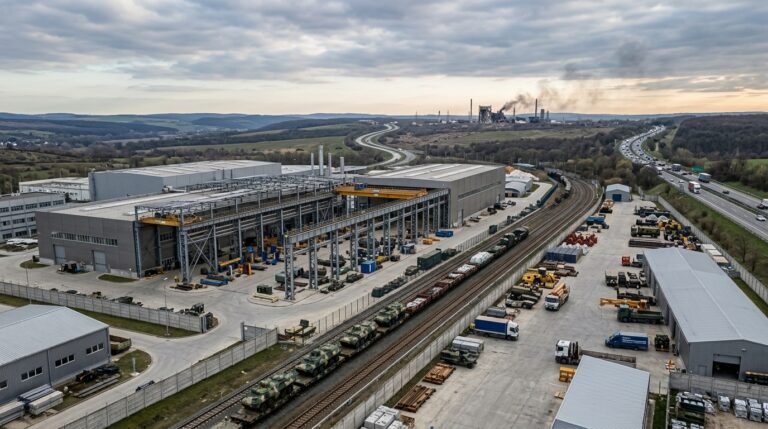
Germany alone illustrates the structural shift. Berlin is expected to raise defence spending again in 2026, keeping it among the largest contributors in Europe. Equipment outlays are set to rise over the coming decade, positioning Rheinmetall as a major industrial beneficiary, as several sell-side analysts have argued. These are not emergency appropriations that evaporate at a ceasefire. They are multi-year procurement programmes.
The order books confirm it. Rheinmetall’s second-quarter operating profit increased 115%, margin reached 17.1%, and EUR 11.4 billion in new nominations lifted the Rheinmetall backlog to EUR 80.5 billion. Lockheed Martin reported backlog of $186.4 billion as of March 29, 2026. RTX reported company backlog of $289 billion in its second-quarter results. Backlogs of this scale do not disappear when a ceasefire is signed.
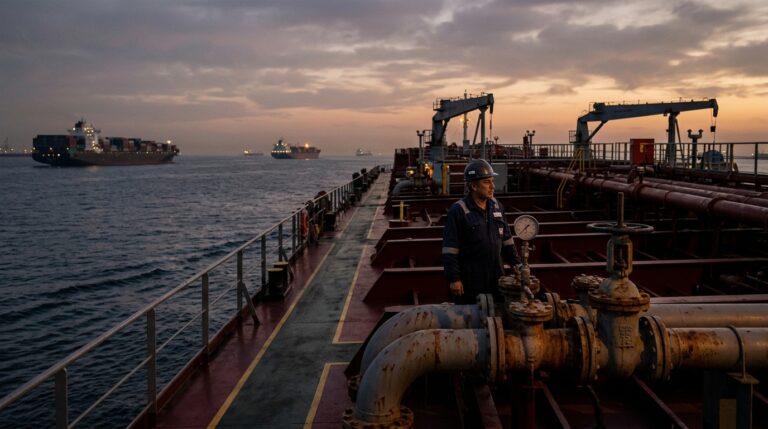
The energy market provides one more structural prop. Russia’s diesel export restrictions have repeatedly been extended this year, with the ban running through at least late September and market expectations pointing to possible extension into October. Ukraine’s refinery strikes have helped tighten diesel supply and lift European diesel margins at points during the summer. Tighter diesel supply can keep energy costs elevated across Europe, which in turn sharpens the political urgency of energy security spending, another arrow in the defence budget quiver.
The Bear Case
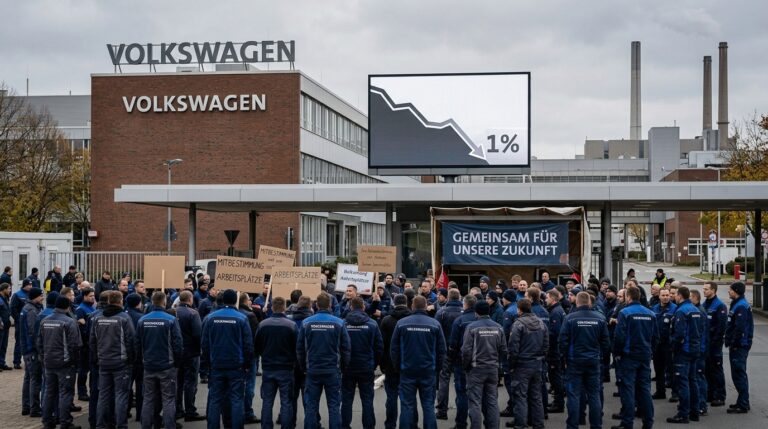
Rheinmetall’s 2026 chart tells a less comfortable story. The stock has fallen sharply from its early-2026 peak, trading around the low EUR 1,000s in mid-September. That is not the chart of a sector with unlimited runway. It is a sector that already priced in the supercycle and is now digesting the gap between expectation and delivery.
Sentiment weakened in the spring after mixed first-quarter reports across parts of the European defence complex, and investors have questioned further upside amid lofty valuations. At roughly 34 times earnings on recent market data, RTX is not cheap. Any credible de-escalation signal from today’s Trump-Zelensky meeting would give institutional investors, many sitting on large multi-year gains, a reason to book profits regardless of what the five-year order book looks like.
The diplomatic context is more developed than it appears. Zelensky said on September 21, 2026 that Ukraine’s energy sector, critical infrastructure, and food exports must stop being targets for Russia and that this would lead to matching de-escalation steps by Ukraine. A source familiar with the September 20 call said Trump repeatedly asked Zelensky to stop attacking Russian oil refineries. An energy truce, even a temporary one, would remove one of the war’s most visible market consequences and give both sides a face-saving off-ramp, the worst-case scenario for momentum-driven defence positions.
Where the Evidence Leads
The bear case is real but narrow. A ceasefire does not undo the NATO 5% GDP commitment ratified by 32 governments. What it could do is compress the war-risk premium that sits on top of already-full valuations. For Rheinmetall in the low EUR 1,000s after losing a large portion of its value from the peak, much of that compression has already happened. For names that have held their peaks, the exposure is greater.
The diesel crack story matters here too. An energy truce that allows Russian refining capacity to recover would ease crack spreads, ease Brent, and remove a key political argument for accelerating defence energy-security budgets. Watch the gasoil-to-Brent spread as the single cleanest real-time signal of whether today’s meeting is changing physical market expectations.
Final Verdict
The bull case is better supported over a three-to-five year horizon. The spending is policy-backed, the backlogs are real, and no realistic ceasefire reverses the structural decision Europe made in 2022 about its own security. Over the next three months, the bear case has teeth. Rheinmetall and the highest-multiple names in the complex remain vulnerable to a sentiment reversal if Trump and Zelensky emerge from today’s meeting with even a framework for energy-sector de-escalation. Investors should monitor two things: what language the joint readout uses on refinery strikes, and whether European gasoil crack spreads narrow in the sessions that follow. Those two data points will tell you more than the headlines.