September 7, 2026
Bonus Content: Germany’s AfD Just Won 44%. The Bond Market Barely Blinked.
Below is an important message from one of our highly valued sponsors. Please read it carefully as they have some special information to share with you.
Dear Reader,
Do you remember the music Trump played at the Republican National Convention?
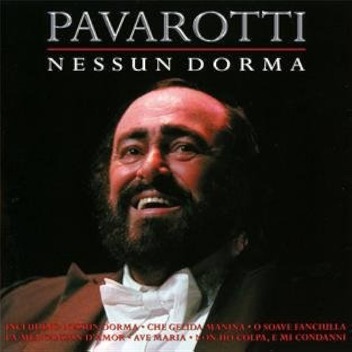 An Italian aria called Nessun Dorma. “None Shall Sleep.”
At the time, most people wrote it off.
But according to a former advisor to the CIA, the Pentagon, and four White House administrations… it was a clue to Trump’s next big move.
Jim Rickards says:
“What Trump is planning looks less like politics… and more like a calculated military operation.”
We recently asked him to stop by our offices to share his theory.
And what he told us came as a shock to our team.
If he’s even half right? America may never be the same.
For the time being, you can watch his short talk, free of charge, right here.
Regards,
Aaron Gentzler
VP of Research, Paradigm Press
Germany’s AfD Just Won 44%. The Bond Market Barely Blinked.
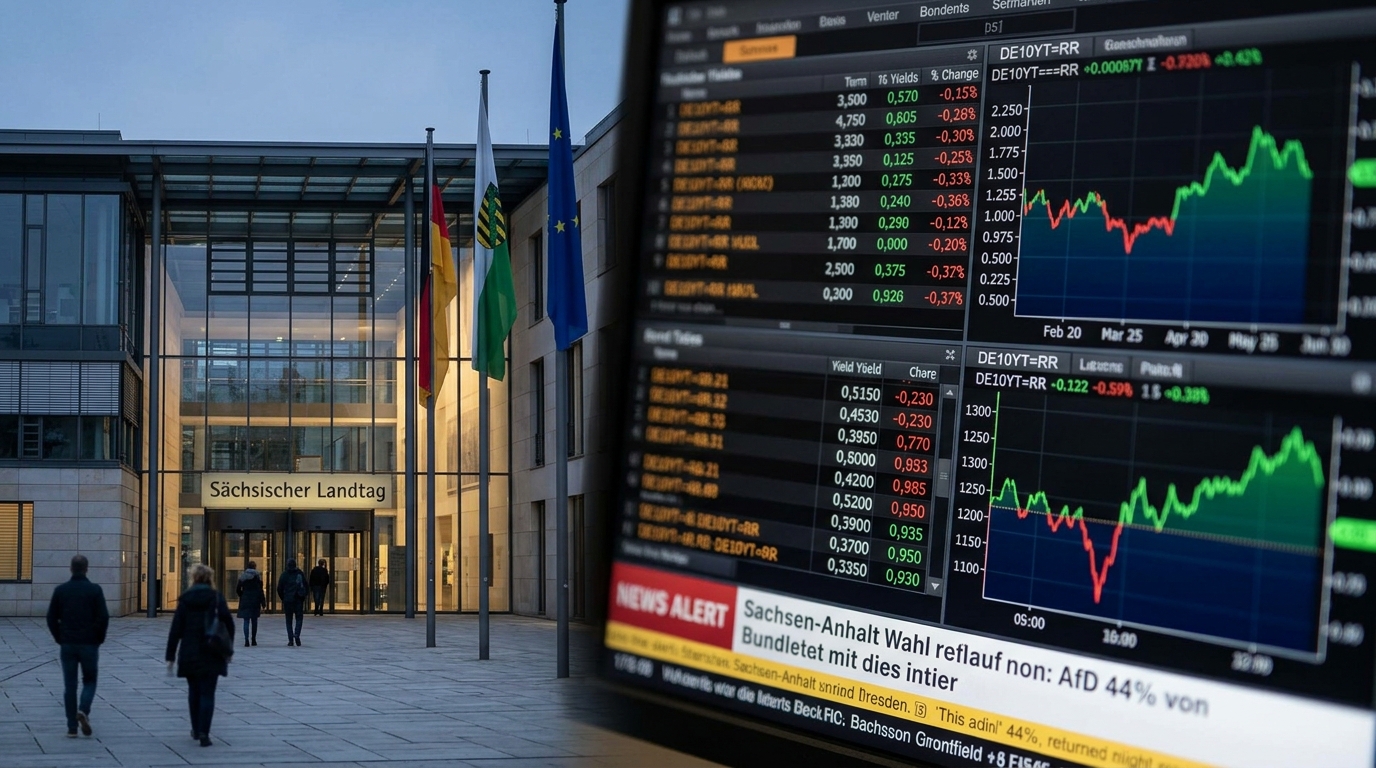
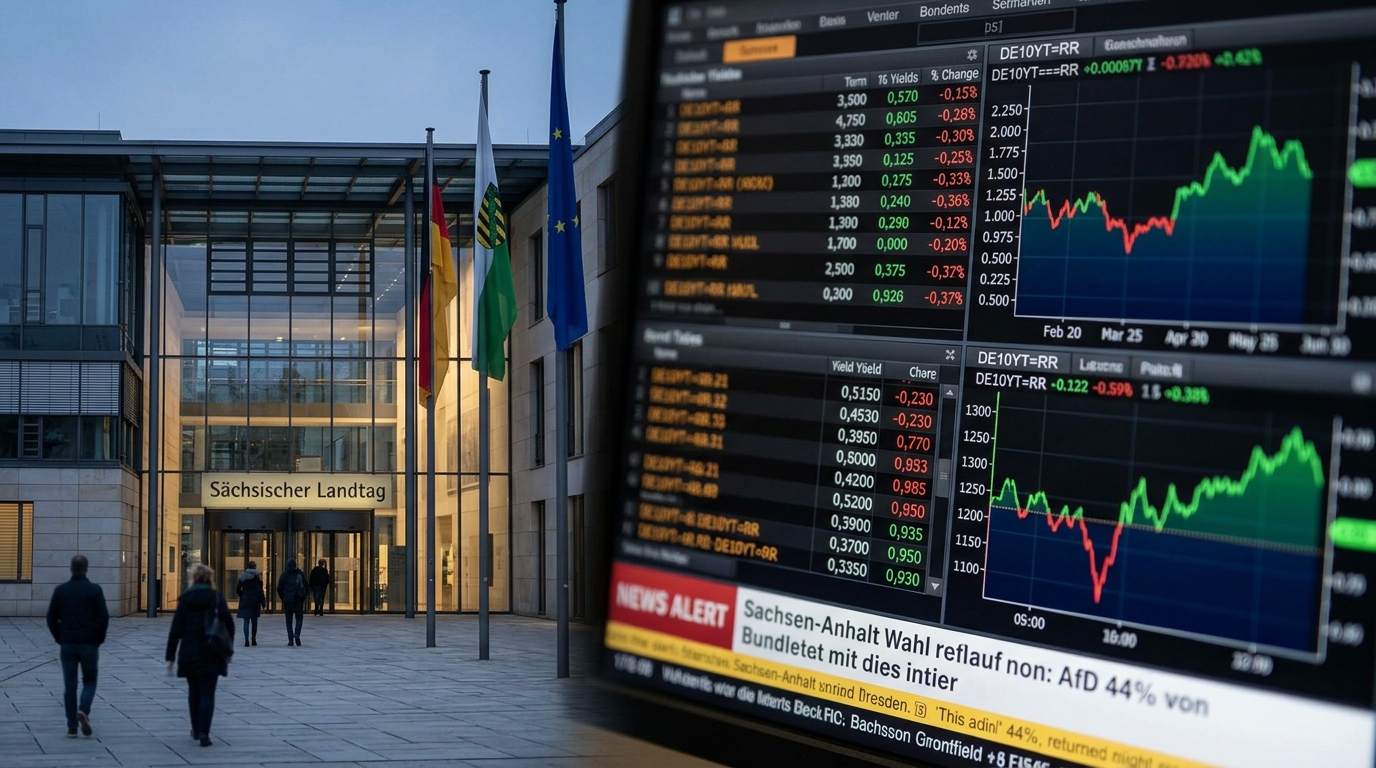
Sunday night’s result from Saxony-Anhalt was genuinely without precedent. The far-right Alternative for Germany surged to a major victory, falling just short of winning a majority in its quest to form the country’s first far-right state government since World War II. Projections for ARD and ZDF put the AfD at around 44% of the vote, more than double its showing five years ago in the state. The CDU, which led the state government until Sunday, collapsed to roughly 17%. That is not a normal swing. It is a rout.
And yet, by Monday morning, markets had declined to panic.
The Bull Case: A State Result, Not a Federal Signal
German government bond yields were fractionally higher Monday morning, though remained in line with other European markets, after exit polls showed the AfD in first place. It is still unclear whether the party will have an absolute majority in state parliament. That uncertainty is the crux of the bull case for German assets. Final results showed the AfD falling three seats short, with 39 lawmakers in an 83-member parliament. Without a majority, governing is a puzzle that may not be solved in the AfD’s favor at all.
The CDU now faces the task of assembling a governing majority without the election’s strongest party. Alongside the AfD and CDU, parties projected to enter the state parliament include the Left, the SPD and the Greens. If the result allows the CDU to assemble some kind of alliance with smaller parties, that would be delicate, requiring deals across a fragmented chamber. Coalition arithmetic, in other words, could yet deny the AfD the ministerial offices its vote share appears to warrant.
There is also a larger macro force absorbing this shock. The next ECB monetary policy meeting concludes on September 10. Eurozone inflation accelerated to 3.3% in August 2026, driven primarily by elevated energy prices, reinforcing expectations for a 25-basis-point rate increase at that meeting. With the ECB widely expected to hike in three days, traders are focused on Frankfurt, not Magdeburg.
The Bear Case: The Firewall Is Crumbling
Investors willing to look past Thursday have cause for discomfort. The AfD has long argued for closer ties with Russia and has called for Germany to leave the euro. While the party remains some distance from holding power in Berlin, this development is dangerous for the longer-term stability of the single currency. A state win, even a messy one that falls short of an outright majority, moves the AfD meaningfully closer to influence in federal politics, and to normalized political legitimacy at national level.
If financial market participants begin pricing AfD influence on federal fiscal policy, even indirectly through state-level gains, Bund yields would face upward pressure. A widening of the spread between German Bunds and euro swaps would signal deteriorating confidence in Germany’s fiscal management. Germany’s defence spending expansion and infrastructure investment plans, both central to the DAX’s re-rating since early 2025, rest on political continuity in Berlin. Any erosion of that continuity has a price.
Germany’s 10-year Bund yield moved closer to last week’s more than 15-year high of 3.3951% on Monday, as investors stayed cautious ahead of this week’s ECB meeting. That the Bund is already near multi-year highs before any AfD fiscal disruption materializes narrows the margin of comfort.
Where the Evidence Leads
The Monday morning market reaction, a single basis point on the 10-year Bund and a fractional DAX dip, is consistent with one reading: this is a state election, not a federal government collapse. That reading is correct for today. The harder question is whether it remains correct after two more state elections arrive in two weeks, Berlin and Mecklenburg-Vorpommern voting on September 20, and whether the AfD’s momentum reads into national polls ahead of the next federal contest.
The September 10 ECB decision will command the week’s attention, and a hike to 2.50% would push Bund yields irrespective of Saxony-Anhalt. That is the bear case’s inconvenient complication: the bond market already has reasons to sell German debt that have nothing to do with the AfD.
Final Verdict
The bulls are right about the short term. The AfD result does not change Germany’s federal budget, Chancellor Merz’s coalition in Berlin, or the ECB’s rate path. By Friday, the September 10 hike decision will have dominated the week’s fixed-income moves and the Saxony-Anhalt shock will look like one data point among many.
But the bears are right about the trajectory. A party that more than doubled its vote share in five years and now sits at 44% in a state that was supposed to test the limits of its ceiling is not a regional curiosity. Each state win reduces the political cost of the next. Investors in DAX defense and infrastructure names like Rheinmetall and Siemens are pricing continued federal spending; that thesis depends on Berlin holding a political center that Sunday night showed is under sustained pressure. Watch the coalition talks in Magdeburg closely. If the firewall holds there, it buys time. If it cracks, the Monday morning yawn will look premature.