Below is an important message from one of our highly valued sponsors. Please read it carefully as they have some special information to share with you.
Dear reader,
This might be the most valuable document I’ve ever uncovered.

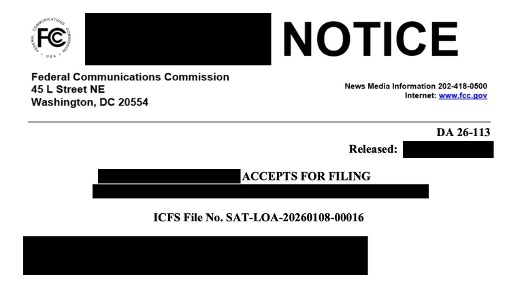
What’s under the black bars could change your life forever.
Elon quietly filed this document with the federal government.
And what’s inside could be bigger than Tesla, SpaceX, and xAI combined.
Big enough, I believe, to mint a record breaking wave of new “Musk Millionaires” over the coming years…
That’s because Elon is going after the largest cash pile in history.
Artificial Intelligence.
And what is in this filing proves he is about to make Bezos, Altman and Zuckerberg beg for mercy.
Look…
I called NVIDIA in 2008, Bitcoin in 2013, and his Super IPO years before they turned everyday Americans into millionaires.
And what Elon is doing next could be the biggest money making opportunity of them all.
Luckily, almost nobody knows this exists.
But it won’t stay quiet for long. Once it goes mainstream, your chance to get in early is gone.
If you missed out on Tesla…
If you missed out on Bitcoin…
If you missed out on NVIDIA…
>>> DON’T MISS THIS ONE TOO <<<
>>> CLICK HERE TO SEE HOW YOU CAN GET IN ON ELON’S NEXT MILLIONAIRE MAKER <<<
This could be your final shot to make up for every other opportunity you’ve missed.
Don’t let one more click and two more minutes of your time be the reason you miss out again.
Regards,
James Altucher
Amazon Is Leasing Back Nvidia Chips It Already Owns
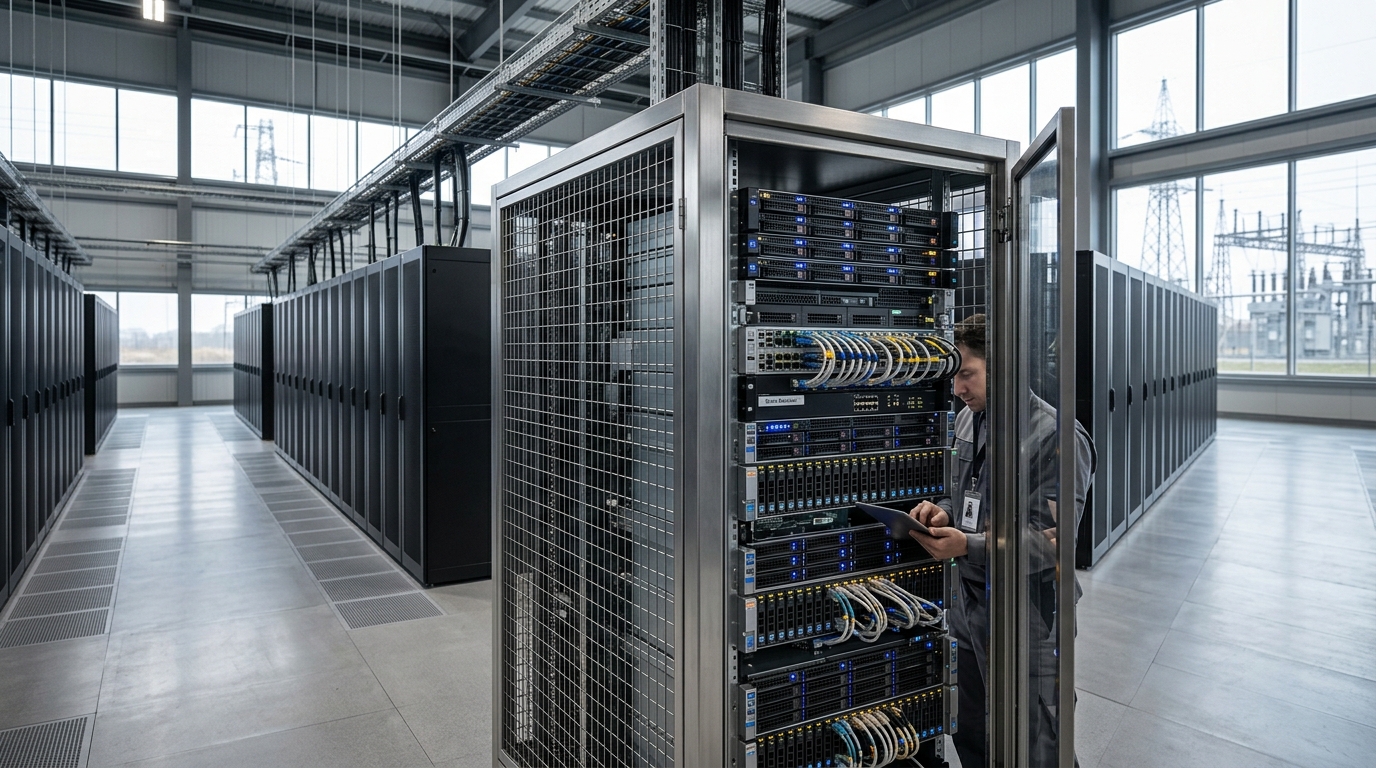
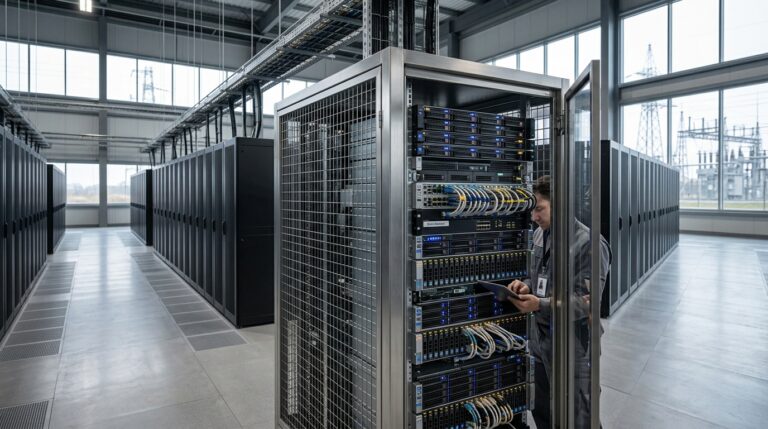
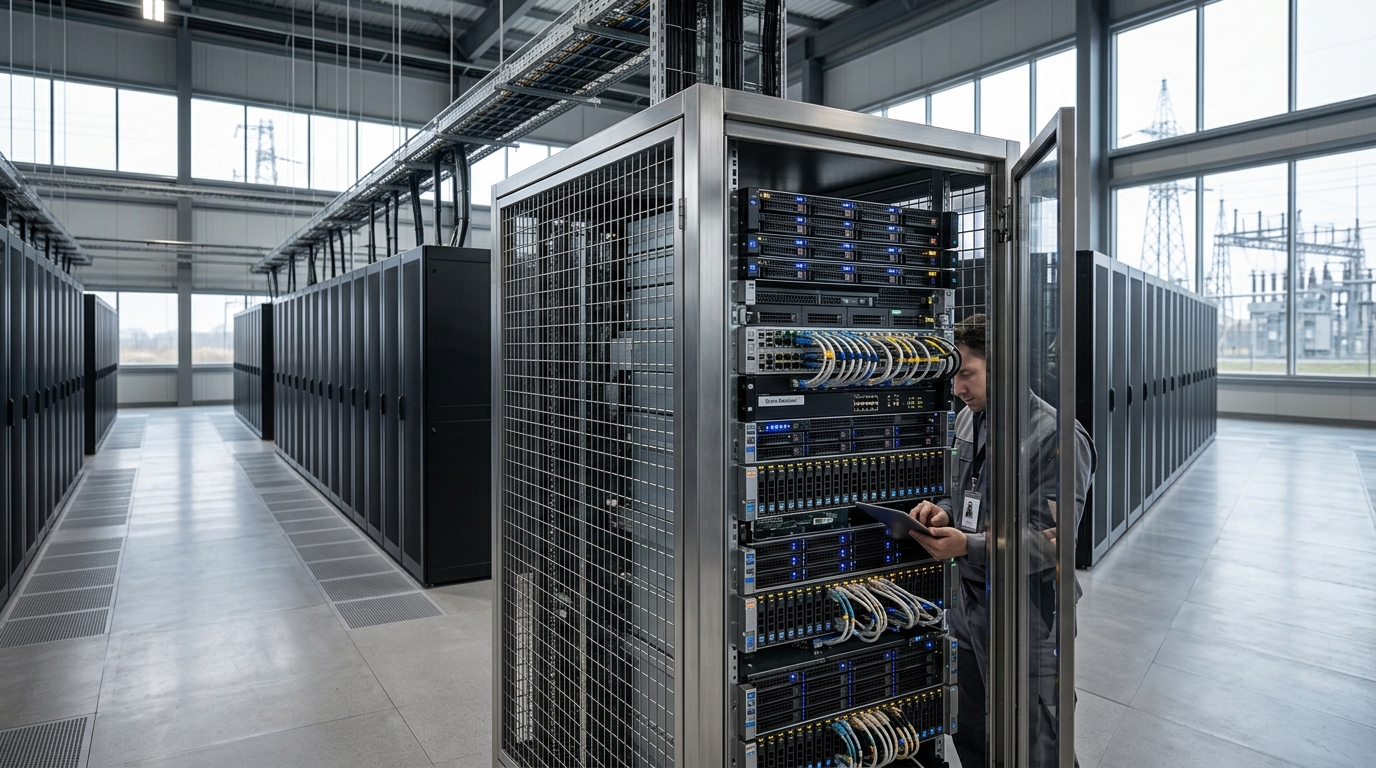
The Financial Times reported Friday that Amazon is in talks to move roughly $8 billion of Nvidia Grace Blackwell chips into a special-purpose vehicle, then lease the same hardware back. The chips are already deployed, installed across more than a dozen American data centres spanning five states, including Nevada and Virginia. Outside investors would be offered an equity stake of up to 10 percent in the vehicle alongside debt. Nothing is signed.
Two readings of this exist. One flatters Amazon. The other does not.
The Bull Case
Read this generously and it is a sophisticated treasury operation, not a distress signal. Amazon’s double-A credit rating lets it appeal to a broader range of investors, including insurance and pension funds, as it seeks financial flexibility. Monetising installed capacity at favourable debt rates while keeping the compute running is exactly what a capital-efficient CFO should do when outside investors will price the risk cheaper than equity does.
The demand context is also genuinely strong. AWS segment revenue reached $42.232 billion in Q2 2026, up 37% year over year, at a 39.4% operating margin, and management said Amazon’s AI and chips businesses each eclipsed run rates of more than $25 billion. Even at $220 billion in planned capex this year, CEO Andy Jassy told analysts the company will still fall short of meeting customer demand in 2026 and he expects the same dynamic in 2027. When demand is that structurally constrained, freeing up balance sheet capacity to fund the next tranche of chips is a reasonable use of the SPV structure.
The structure converts a significant capital expenditure into a long-term leasing model, allowing Amazon to reduce its immediate financial burden while shifting some investment responsibility to external capital markets. For a company whose trailing twelve-month free cash flow is already negative $7.6 billion as purchases of property and equipment surged year over year, recycling $8 billion of already-deployed hardware through cheap external debt has a clear arithmetic logic.
The Bear Case
Now read it less charitably. Amazon is not financing a purchase here. This is refinancing capacity that is already running. The question that structure raises: if these chips are such productive assets, why sell the ownership and pay rent to get them back?
The uncomfortable answer involves depreciation. Management has said AI infrastructure investment can occur six to 24 months before customer billing begins, and while data centres may remain productive for more than 30 years, chips, servers, and networking equipment generally have useful lives of approximately five to six years. A five-to-six-year depreciation schedule for the fastest-evolving silicon category in history is already generous. If Amazon quietly believes these chips will be economically obsolete sooner than its own accounting assumes, selling them to outside investors at current book value is a transfer of timing risk, not just balance sheet tidiness.
Zoom out and the worry is not the legal wrapper, it is the timing mismatch. Depreciation lags spending, and the D&A from today’s build still lands on future income statements regardless of what AI revenue does. An SPV structure does not make that depreciation disappear. It changes who bears the economics.
Investors accepting a 10% equity stake in an $8 billion vehicle of installed, rapidly evolving semiconductor hardware are being asked to trust both the lease cashflows and the residual value. That is a meaningful ask.
Where the Evidence Leads
The bull case rests on real, verifiable numbers: AWS growth, a $496 billion contracted backlog, and a credit profile that makes cheap debt accessible. Those are facts. The bear case rests on a structural question that no quarterly filing answers cleanly: are five-to-six-year chip depreciation schedules pricing Moore’s Law correctly in the Blackwell era?
Amazon’s move to refinance chips already running is smart financing on its face. But the fact that a company planning $220 billion of capex in 2026 wants $8 billion of installed capacity off its own books deserves more than a nod. Watch whether other hyperscalers follow. If Microsoft or Google pursues similar structures in the next two quarters, the depreciation question stops being theoretical.
On balance, the financing logic is sound enough to avoid alarm today. The residual value question is not settled, and that is the signal investors in this SPV, and in AMZN, should keep close.