September 21, 2026
Bonus Content: Volkswagen’s 1% Margin Is the Crisis. Can Cuts Fix It?
There might be no clear end in sight to the Iran war…
But this escalation is likely distracting you from a stunning pattern quietly heating up in the predictions market…
Corporate and Political insiders, folks with firsthand info on potential announcements, deals, policy changes coming up and more…
Have been making sneaky yet massive bets on platforms like Polymarket…
And quietly front-running the market in the process.
That’s why you’d have noticed news about this pattern flying around…
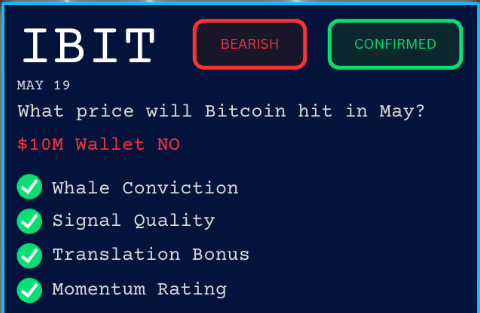
Out of the blue on May 19th this year…
I tracked a large bearish bet on Bitcoin from an account with over $10 million in volume…
Days later… News came out that the SEC was delaying plans to further crypto innovations, obvious bad news for Bitcoin.
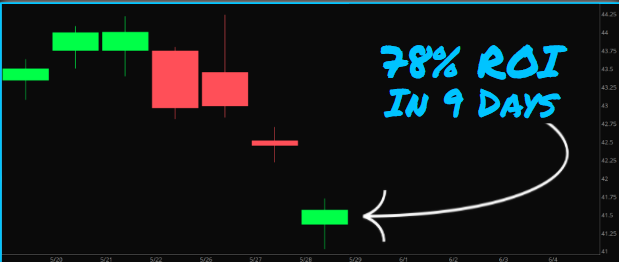
Acting on the bearish bet before the news came out with a quick trade locked in 78% in 9 days.
It doesn’t end there…
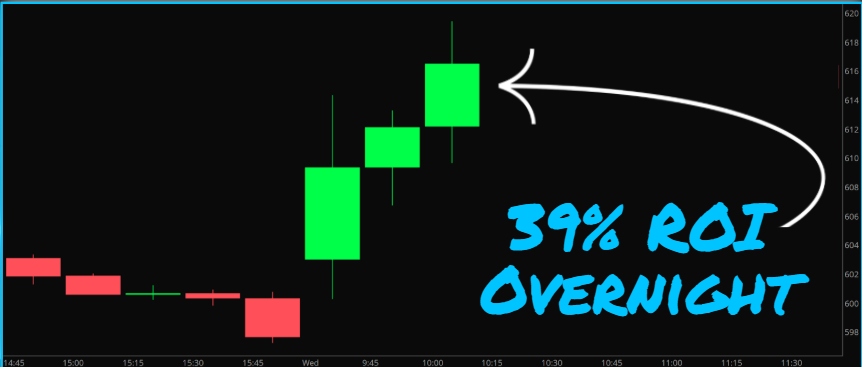
These massive insider bets also tipped off a 39% winner on META overnight.
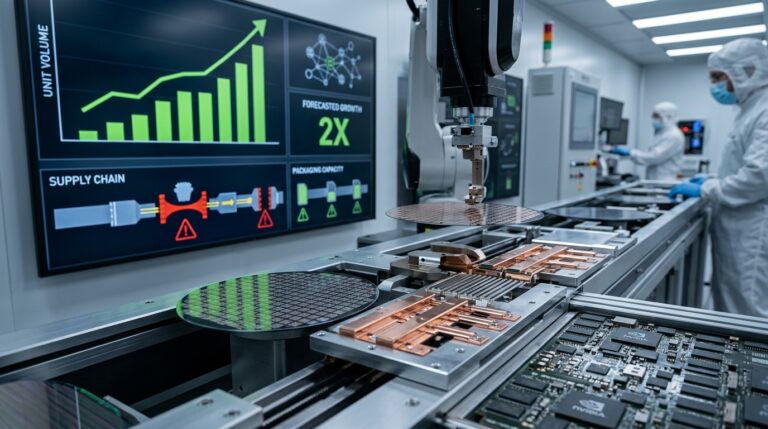
And even 60% on TSM in 6 days.
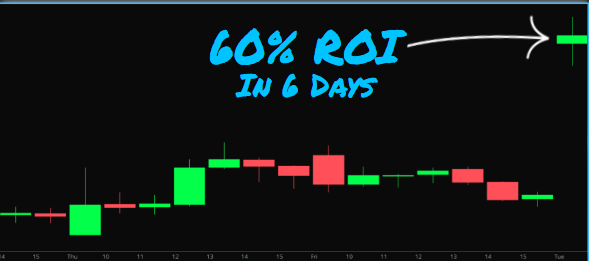
There were smaller wins and those that didn’t work and I won’t make reckless guarantees about the stock market…
But in the next few minutes…
I’ll show you the special secret I use to track these insider bets…
Better yet…
You’ll get FREE access to use this secret for yourself too… with no catch.
All you have to do is tap this link to get instant FREE access and start tracking these insider bets yourself.
To Better Trading,
Alex Reid.
Volkswagen’s 1% Margin Is the Crisis. Can Cuts Fix It?
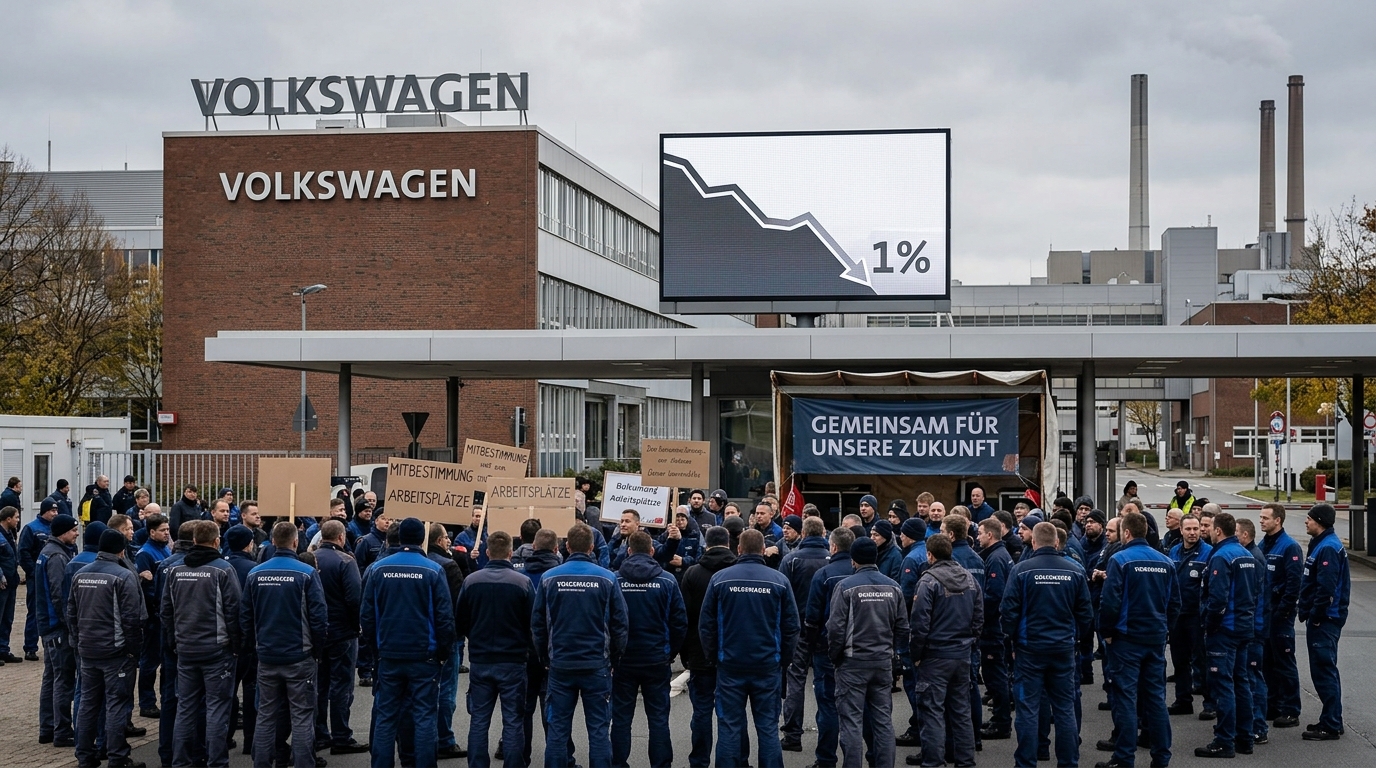
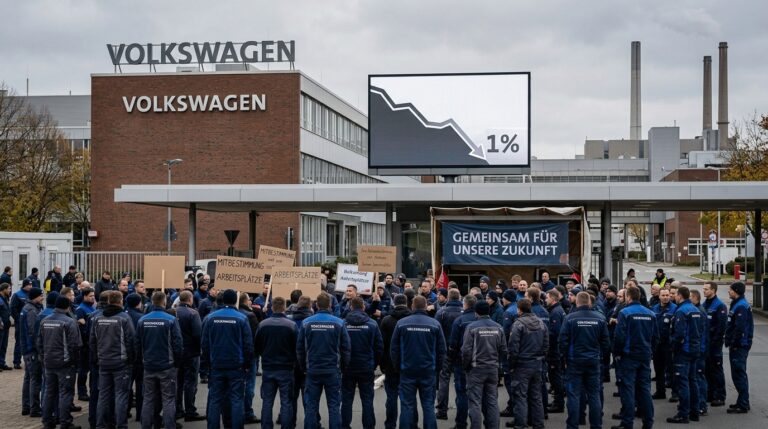
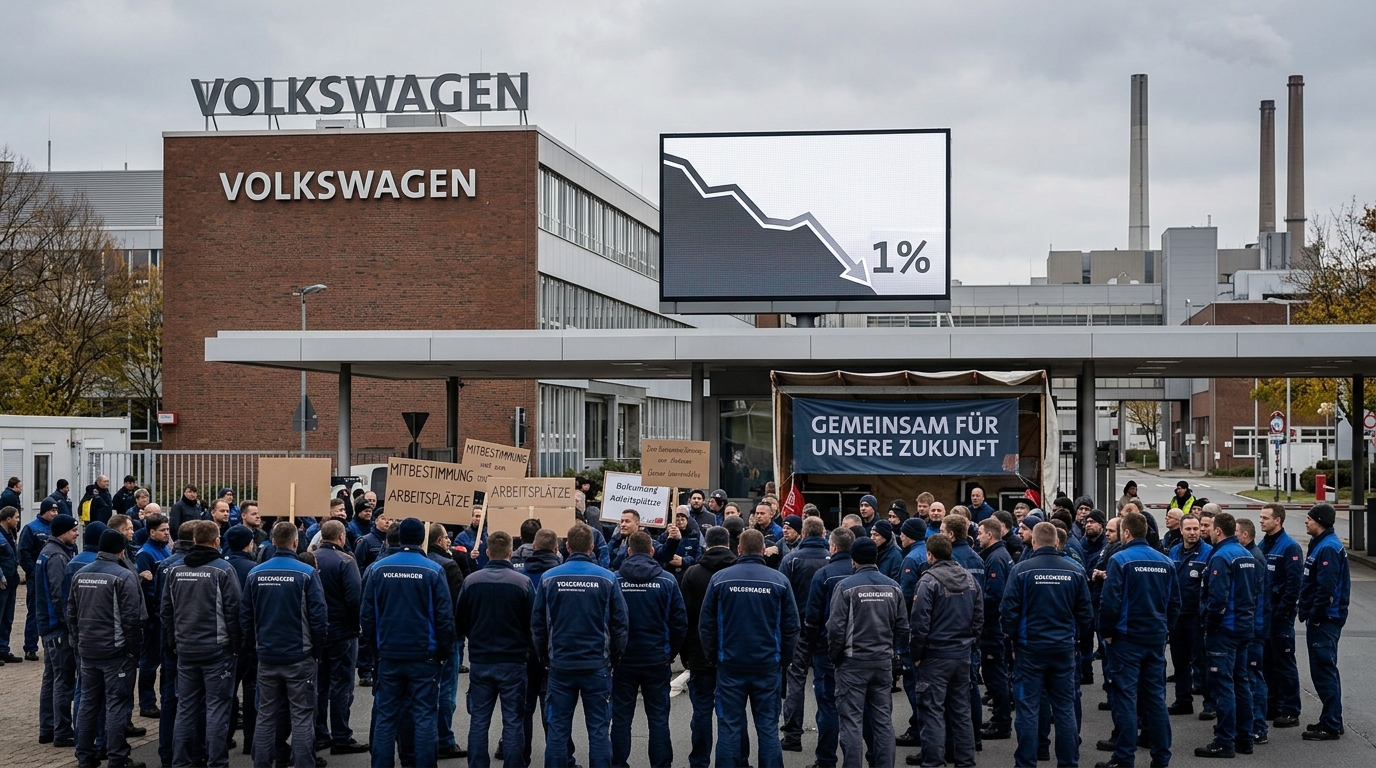
Europe’s largest carmaker dropped a number on Friday that concentrates the mind: a 2026 operating margin of no more than 1%. Volkswagen dramatically cut its profit outlook as deteriorating business in China, restructuring costs, and a multibillion-euro writedown at Porsche piled pressure on the group, with the German carmaker now expecting an operating margin of no more than 1%, down from a previous forecast of 4.0% to 5.5%. Volkswagen shares fell as much as 7.5% intraday following the announcement, dragging other automakers lower. This morning, the response came from the shop floor.
Employees at VW, as well as Mercedes-Benz Group, BMW, Audi, Porsche, and major suppliers, are taking part in demonstrations at more than 280 actions nationwide, organized by IG Metall. The industry is not just financially distressed. It is politically inflamed.
The Bull Case: Pain Now, Discipline Later
The argument for owning VWAGY today begins with the scale of what management has committed to. Management and unions agreed to cut a total of about 100,000 jobs by the end of the decade, a restructuring that has been described as the biggest in the sector, involving the reduction of around 50,000 jobs on top of another 50,000 already agreed. Nothing on this scale has been attempted in automotive history. The 100,000 cuts have been described as the largest restructuring ever carried out in the global automotive industry, eclipsing even General Motors, which cut about 74,000 jobs and closed 21 plants in 1991.
The restructuring costs embedded in Friday’s warning are largely one-time in character. Excluding exceptional charges, Volkswagen said its operating margin would be around 4%, which at least confirms the underlying business has not entirely collapsed. Management and unions have also acknowledged that the future of four German plants, in Hannover, Emden, Zwickau, and Neckarsulm, is uncertain into the next decade, a frank admission that would have been unthinkable three years ago. Bulls argue that a management willing to take a sharp single-day share drop rather than defer hard choices is finally doing what German carmakers have avoided for a decade.
European EV demand has been accelerating off a low base in 2026, which means VW’s home market is moving toward a product mix the company is actually building.
The Bear Case: The Walkout Tells You Everything
Today’s protests are not spontaneous. The powerful IG Metall union is pressing companies to protect plants and jobs while urging Germany’s government to lower energy costs and shield domestic production from low-cost imports. When workers from Mercedes, BMW, Porsche, and Audi join a VW restructuring protest, the signal is that labor has decided this is an industry fight, not a single-company dispute. That makes concessions at any one firm harder to extract.
The structural headwinds behind the profit warning are not going away with headcount reductions. Volkswagen CFO Arno Antlitz said the Chinese market has slumped by around 20%, with no stabilization currently in sight. Chinese automakers are simultaneously taking domestic market share and expanding into Europe with competitively priced electric vehicles. Growing EV sales are weighing on profitability at VW’s passenger-car and Audi businesses because battery-powered vehicles generally generate lower margins than comparable combustion-engine models. Cutting labor addresses cost. It does not address the product gap with BYD.
VW expects around €10 billion in special items this year, including around a €6 billion non-cash impairment related to Porsche, reflecting revised long-term expectations for the sports-car maker. That Porsche hit is the bear’s sharpest point. Friday’s announcement marks the second time this year Volkswagen has lowered its 2026 outlook. Each revision has been larger than the one before it.
Where the Evidence Leads
The bull case rests on execution. The bear case rests on whether execution is even possible given today’s street-level resistance. History suggests German labor, entrenched on supervisory boards by law, has consistently extracted concessions from management under pressure. European automakers are facing increased competition from Asian rivals abroad and at home, creating a major problem for Volkswagen, which is already battling overcapacity on the continent, US tariffs, and plunging profits in China. That is not a temporary cyclical squeeze. It is a structural reset of the industry’s competitive position.
The more compelling weight of evidence sits with the bears today. A 1% margin with no China floor in sight, a second outlook cut in a single year, and an industry-wide workforce prepared to march together gives management very little runway. Watch whether IG Metall escalates beyond today’s protests and whether the four threatened German plants survive into 2027. Those are the two data points that will determine whether this restructuring is real or another deferred reckoning.